A push most commonly happens in point spread and total (over/under) bets, where the score finishes right on the posted number. Instead of winning or losing the bet, the wager is graded as a push, meaning the bet is effectively canceled.
Understanding how and when a push in sports betting occurs is important because it can affect how bets are settled, how parlays are adjusted, and how bettors manage risk over time.
Understanding the Push Scenario
A push scenario occurs when the game ends with a score that lands exactly on the sportsbook’s betting line. In this situation, the bet neither wins nor loses, and the initial stake is returned to the bettor. Pushes are most common in markets where a fixed number is set, rather than odds-based outcomes.
In sports betting, pushes most often occur in point spread and total bets, where the final score can match the posted number exactly. When this happens, the result is recorded as a push bet, meaning there is no payout and no loss.
Understanding when a push occurs helps bettors evaluate risk more clearly. While a push doesn’t result in a losing bet, it also means time and capital were tied up without a return. Knowing how pushes work within the betting market is an important part of making smarter wagering decisions.
Point Spread Bets
In point spread bets, the sportsbook sets a margin that a team must win by for the bet to cash. This number is known as the point spread, and it plays a major role in whether a push occurs.
For example, if a team is listed at -7 and wins the game by exactly 7 points, the bet lands directly on the betting line. In this case, the game ends in a push because neither side beats the spread.
Pushes are more likely when betting spreads that land on common scoring margins, often called key numbers. In sports like football, numbers such as 3, 7, and 10 show up frequently, which is why sportsbooks often use half point spreads (like -6.5 or +7.5) to reduce the chance of a push.
Understanding how point spreads work, and when a spread bet can result in a push, helps bettors make better decisions when choosing lines and evaluating risk.
Example:
Bet: Team A -7
Final Score: Team A 27, Team B 20
Outcome: Push (because the winning margin is exactly 7 points)
Total (Over/Under) Bets
In total bets, also known as over/under bets, the sportsbook sets a number for the combined score of both teams. Bettors wager on whether the final total will finish over or under that line.
A push in total bets occurs when the final score adds up to exactly the posted betting line. When this happens, the push occurs, and the bettor’s initial stake is returned since there is no winning or losing outcome.
Because of this, sportsbooks often use half points (such as 48.5 instead of 48) to avoid pushes. Totals that land on whole numbers are more likely to result in a push, especially in sports where scoring increments are predictable. Understanding how totals are set — and when a total can push — helps bettors choose lines more strategically and manage risk within the betting market.
Example:
Bet: Over 50 points
Final Score: Team A 27, Team B 23
Combined Score: 50 points
Outcome: Push (because the combined score is exactly 50 points)
How a Push Affects Parlays and Teasers
A push can also impact parlay bets and teasers, which combine multiple wagers into a single bet. In these cases, how a push is handled depends on the sportsbook’s rules, but there are some common outcomes bettors should understand.
In a parlay wager, if one leg results in a push, that leg is usually removed from the bet. The entire parlay is then recalculated using the remaining legs, which reduces the potential payout but keeps the bet alive. If multiple legs push, the parlay may be reduced further or voided entirely.
Teasers work in a similar way. If a leg in a teaser pushes, the number of teams involved is typically reduced, and the odds are adjusted accordingly. Because payouts change when pushes occur, bettors should always review sportsbook rules before placing parlay or teaser bets.
Understanding how pushes affect parlays helps bettors avoid surprises and make more informed betting decisions.
Tip 1: Watch for Lines with ‘The Hook’ (0.5)
Sportsbooks often use half points, commonly called the hook, to reduce the chance of a push. A line set at -2.5 or +4.5 removes the possibility of landing exactly on the number, which means the bet will always result in a win or a loss.
In most major American sports, scoring does not occur in half points. Because of this, whole-number lines create situations where a game can finish directly on the betting line, leading to a push. Half-point lines are designed to avoid that outcome and protect the sportsbook.
For bettors, understanding when a line includes the hook is important. In some cases, buying points to move off a hook and onto a whole number can introduce the chance of a push, which may reduce downside risk depending on the situation and adjusted odds.
Tip 2: Pay Attention to How the Sport is Scored
The likelihood of a push can vary depending on how a sport is scored. In sports like baseball and hockey, scoring typically happens one run or one goal at a time, and games cannot end in a tie once extra innings or overtime are played. Because of this, totals in these sports are often less likely to push compared to others.
In sports such as football, scoring occurs in larger, uneven increments like field goals (3 points) and touchdowns (6 or 7 points with the extra point). This makes certain numbers appear more frequently in final scores. When betting spreads or totals near these common scoring values, pushes become more likely.
Understanding scoring patterns helps bettors identify which lines carry higher push risk and which ones are less likely to land exactly on the number. This awareness can play a meaningful role when comparing lines and choosing the best betting option. These key numbers (such as 3, 7, and 10 in football) should be taken into account when placing bets to minimize the chances of a push.
Tip 3: Avoid Parlays and Teasers & Shop Around
Pushes can have a bigger impact when you’re betting parlays and teasers, since these wagers combine multiple bets into one. While a push doesn’t result in a loss, it can reduce the payout or alter the structure of the bet, often in ways that aren’t favorable to the bettor.
Because parlays and teasers are already priced heavily in the sportsbook’s favor, pushes can further limit value by shrinking payouts or removing legs altogether. This is one reason many experienced bettors prefer to focus on single bets, where the outcome and risk are easier to control.
Line shopping is also important when trying to manage push risk. Different sportsbooks may post slightly different lines for the same game. By comparing odds and betting lines across multiple books, bettors can often find a number that either avoids a push entirely or gives them a more favorable position.
Example:
Parlay Bet: $50 on a three-team parlay
Teams: Team A -7, Team B -3, Team C +4
Outcome: Team A pushes, Team B and Team C win
Result: The parlay is adjusted to a two-team parlay
In teasers, where bettors can adjust the point spreads in their favor, a push typically reduces the number of teams involved in the teaser, and the payout is adjusted accordingly.
Use a Push in Betting to Your Advantage
A push doesn’t result in a win or a loss, but it can still play a role in a smart betting approach. By understanding when pushes are most likely to occur, bettors can position themselves to reduce risk and protect their bankroll.
One way to do this is by favoring lines where a push is possible rather than betting exclusively on half-point numbers. Sitting on a whole-number line means there’s a chance the bet won’t lose, even if it doesn’t win. This can be especially useful in totals or spread bets tied to common scoring margins.
Shopping around for the best betting lines also helps. Small differences between sportsbooks can determine whether a bet pushes, wins, or loses. Over time, consistently finding better numbers can have a meaningful impact on results.
A push in betting happens when the outcome of a game lands exactly on the sportsbook’s betting line, resulting in no win or loss and the return of the bettor’s initial stake. While a push may seem neutral, understanding how pushes occur is an important part of managing risk and building a consistent betting strategy.
By recognizing how pushes work in point spread, total, and parlay bets, and by paying attention to line structure, scoring patterns, and line shopping opportunities, bettors can reduce unnecessary losses and make more informed wagering decisions over time.

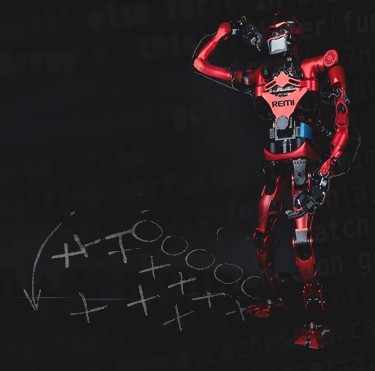





 Remi crunches thousands of data points on every game in NFL, NBA, NHL, MLB, College Football, and College Basketball.
  Remi finds the line or spread of the game, and calculates the probability that either team will cover the line, spread, or win outright.
  Remi assigns units to each pick. A unit is simply a mathematical representation of the weight of each pick, from 2-15.
 Get notifications when Remi releases a Top Pick direct to your inbox, or login to the Today’s Leans page.
  Remi uses an AI technique known is reinforced recursive machine learning to learn from past mistakes and improve over time.


 ‘Create an Account’ to Get Remi’s Picks Today.
  Remi calculates the probability a team will cover the line.
  Remi uses this probability to assign units to each pick.
  Get Remi’s Top AI Sports Picks sent direct to your inbox.